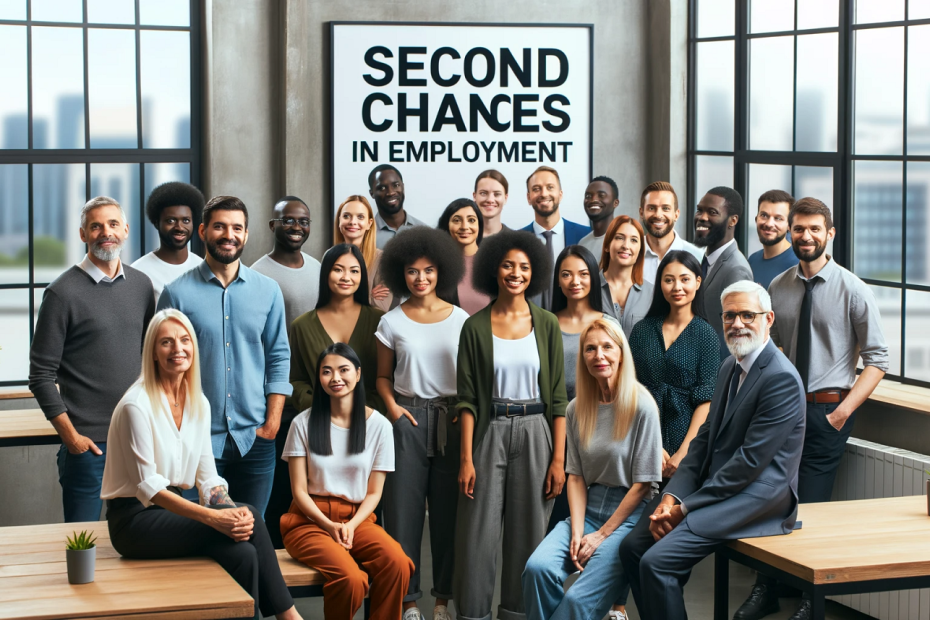
In an evolving world, the mantra of “Second Chance Employment” has become a beacon for transformative hiring. As the modern workforce undergoes rapid changes, the shift in employment practices not only caters to the demands of this new age but also addresses the very essence of human potential and redemption.
The Current State of the Employment Landscape
An Overview of Traditional Hiring Practices
For decades, the employment arena was dictated by traditional hiring practices. These often involved stringent background checks, strict qualification criteria, and a linear viewpoint of candidate assessment. Such practices often catered to a ‘one-size-fits-all’ approach, leaving little room for individual narratives or the potential for growth after setbacks.
Stigmas and Barriers in Hiring
Beyond the procedural aspects, there existed – and in many places, still exist – stigmas associated with hiring individuals with non-conventional backgrounds. Whether it’s a gap in employment, a criminal record, or any other societal deemed “blemish”, these markers often became insurmountable barriers. The consequence? A significant portion of the talent pool, individuals with unique experiences and perspectives, found themselves consistently sidelined.
Rethinking Employment Norms
The New Definition of Success in the Corporate World
To redefine success in the corporate sphere, businesses must embrace a broader, more holistic view of potential. By providing second chances, companies are not just offering employment but are recognizing the inherent value and potential within individuals, irrespective of their past. Such an approach does more than fill a vacancy; it brings in diverse experiences, resilience, and a fresh perspective that can invigorate the work environment.
The Imperatives: Moral and Economic
The call for reformed hiring isn’t solely a moral plea; there’s a strong economic case supporting it. By overlooking individuals based on past mistakes or unconventional journeys, businesses limit their access to a wide talent pool. Moreover, studies have shown that those given a second chance often exhibit higher loyalty, reducing turnover costs. On the moral front, providing a platform for redemption aligns companies with a higher societal purpose, reinforcing their role in community building and positive societal change.
Steps to Introduce a Second Chance Employment Program
Initiating the Dialogue: Bringing Stakeholders on Board
It all starts with conversation. Before implementing any program, it’s essential to get buy-in from key decision-makers, including HR personnel, managers, and executive leadership.
Educate on the Benefits: Host workshops or sessions detailing the advantages of second chance hiring. Highlight the moral, economic, and societal benefits.
Address Concerns: Stakeholders might have reservations. Be prepared with data, success stories, and counterarguments to address potential apprehensions.
Set Clear Objectives: Define what success looks like. Whether it’s hiring a certain number of individuals or integrating them into specific roles, having clear goals can streamline the process.
Designing an Inclusive Hiring Process
Revise Job Descriptions: Ensure that they focus on the essential skills required for the role rather than unnecessary prerequisites that might exclude potential candidates.
Adjust Background Checks: While it’s essential to maintain safety and integrity, consider the relevance of certain past offenses in relation to the job at hand.
Incorporate Unbiased Interviewing Techniques: Employ methods like structured interviewing to ensure consistency and fairness in the hiring process.
Ongoing Support and Mentorship
Once onboarded, the journey isn’t over. Integration is crucial.
Pair with Mentors: Assign seasoned employees to mentor and guide newcomers, facilitating their transition into the company culture.
Regular Check-ins: Schedule periodic meetings to address any concerns or challenges faced by these employees.
Professional Development: Offer workshops and training opportunities tailored to their unique needs, ensuring they have the tools to succeed.
5 Tangible Benefits of Second Chance Hiring
1. Enhanced Workplace Diversity
By tapping into a demographic often overlooked, companies enrich their workforce with diverse experiences and perspectives. This diversity often leads to more creative problem-solving and a broader range of ideas.
2. Increased Loyalty and Reduced Turnover
Studies consistently show that those given a second chance in the employment arena often feel a deeper sense of gratitude and loyalty to their employers. This translates to longer tenures and reduced hiring costs.
3. Filling Skill Gaps with Untapped Talent
Many individuals seeking a second chance come with unique skill sets or experiences that aren’t easily found in the traditional hiring pool. By embracing these candidates, companies can address skill shortages more effectively.
4. Economic Benefits and Incentives
Beyond the cost savings associated with reduced turnover, there are often governmental incentives available for companies that hire from marginalized groups. This can result in tax breaks or grants that can significantly benefit the company’s bottom line.
5. Positive Corporate Social Responsibility (CSR) Impact
Embracing second chance hiring aligns with the ethos of CSR. Companies can showcase their commitment to societal betterment, improving their brand image and fostering stronger community ties.
FAQs: Dispelling Myths about Second Chance Hiring
Are there safety and security concerns with Second Chance Hiring?
While safety and security remain top priorities, second chance hiring doesn’t compromise them. Instead, it involves a discerning approach to background checks, evaluating the relevance and recency of past offenses concerning the job role. Many individuals seeking a second chance may have offenses that are minor or unrelated to their professional capacities.
Will the quality and skills of the talent pool be compromised?
Not at all. Second chance hiring taps into a diverse talent pool, often uncovering unique skill sets and experiences not readily found in the traditional market. Additionally, many individuals from this pool have pursued upskilling or education during rehabilitation, making them well-prepared for the job market.
What’s the Return on Investment (ROI) of inclusive hiring practices?
The ROI is multi-faceted. Companies benefit from reduced turnover, increased employee loyalty, potential tax breaks, and government incentives. Additionally, a diverse workforce can lead to more innovative problem-solving and improved company image, adding immense value in the long run.
Conclusion: The Future of Employment with Inclusive Practices
In the ever-evolving employment landscape, embracing second chances isn’t just a moral imperative; it’s a strategic one. By championing inclusive hiring practices, businesses not only nurture untapped talent but also contribute significantly to societal progression. As we look ahead, it’s clear that such inclusivity will be integral to economic enhancement, reflecting a workforce that truly captures the diverse tapestry of human experience, and, in doing so, shaping the future of hiring.