In today’s rapidly evolving tech landscape, innovation is not just an option but a necessity. For tech leaders, navigating this dynamic environment requires a strategic approach that balances creativity with pragmatic execution. This article explores essential strategies for leading through tech innovation, focusing on fostering a culture of innovation, leveraging emerging technologies, managing risks, enhancing collaboration, prioritizing continuous learning, integrating sustainability, and driving operational excellence. By adopting these strategies, tech leaders can ensure their organizations remain competitive and forward-thinking.
Fostering a Culture of Innovation
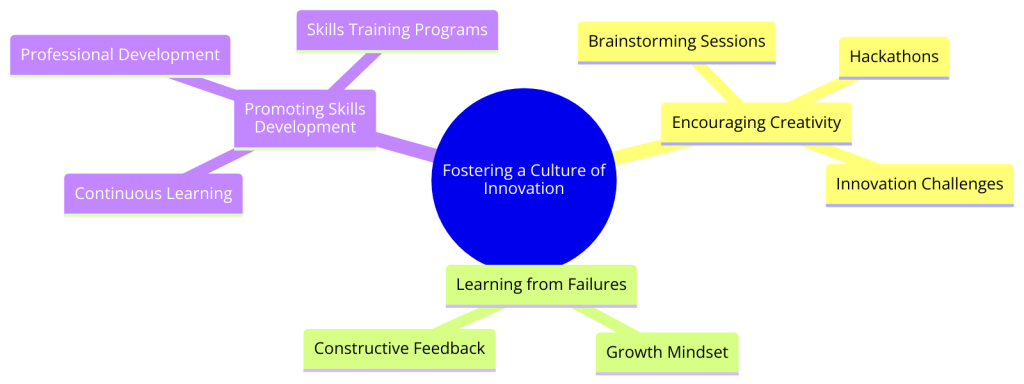
Creating a culture of innovation is foundational for any tech organization aiming to stay ahead. This involves establishing an environment where creativity and experimentation are encouraged. According to McKinsey, companies that foster a perpetual-learning culture and encourage continuous skills development are better positioned to innovate effectively. Regular brainstorming sessions, hackathons, and innovation challenges can help maintain a culture of creativity. Companies like Google exemplify this approach by allowing employees to dedicate time to passion projects, often leading to significant breakthroughs.
Moreover, celebrating successes and learning from failures are critical aspects of an innovative culture. Encouraging a mindset where failures are seen as opportunities for growth can help teams to take bolder steps. For instance, Amazon’s “Invent and Simplify” principle promotes continuous iteration and improvement, encouraging employees to experiment without fear of failure. This approach not only drives innovation but also fosters a resilient and forward-thinking workforce.
Leveraging Emerging Technologies
Staying abreast of emerging technologies is crucial for tech leaders aiming to drive innovation. Technologies such as artificial intelligence (AI), machine learning, and blockchain are transforming industries by enhancing efficiency and creating new business opportunities. According to MIT Technology Review, technologies like AI and blockchain are set to revolutionize various sectors by improving decision-making and operational efficiency. Investing in these technologies can streamline operations and develop innovative solutions that address complex challenges.
Implementing emerging technologies involves not only adopting new tools but also integrating them into existing processes and systems. This requires a strategic approach that includes pilot projects, thorough testing, and ongoing evaluation. For example, AI can enhance customer experiences, optimize supply chains, and improve decision-making processes. By leveraging emerging technologies effectively, tech leaders can drive innovation, improve efficiency, and create new growth opportunities.
Managing Risks in Innovation
Innovation inherently involves risk, and managing these risks is a critical aspect of leadership. Effective risk management requires a balanced approach that encourages experimentation while mitigating potential downsides. This involves implementing robust risk assessment frameworks to identify potential threats and develop mitigation strategies. Regular security assessments, compliance checks, and contingency planning are essential components of a comprehensive risk management strategy.
Cybersecurity is a significant concern in today’s tech landscape, with increasing sophistication of cyber threats. Leveraging AI and automation in cybersecurity can enhance threat detection and response, helping organizations stay ahead of potential breaches. Adopting a zero-trust architecture, which assumes threats can come from both inside and outside the network, can further bolster security measures. By prioritizing cybersecurity, tech leaders can protect their organizations’ assets and maintain customer trust while driving innovation.
Enhancing Collaboration and Communication
Effective collaboration and communication are fundamental to successful innovation. Collaboration across departments and with external partners can lead to more comprehensive and innovative solutions. Tools such as Slack, Microsoft Teams, and Asana facilitate seamless communication and project management, ensuring all team members are aligned and informed. Regular cross-departmental meetings and collaborative platforms can integrate diverse perspectives, leading to robust problem-solving and innovation.
Moreover, fostering an inclusive environment where diverse perspectives are valued can significantly enhance innovation. A diverse team brings a range of experiences and viewpoints, leading to more creative and effective solutions. Google’s emphasis on diversity and inclusion underscores the importance of varied perspectives in driving innovation. By actively recruiting from diverse talent pools and promoting an inclusive culture, tech leaders can harness the full potential of their teams.
Prioritizing Continuous Learning and Development
Continuous learning and development are essential for building a resilient and innovative workforce. Tech leaders must invest in upskilling and reskilling programs to ensure employees are equipped to handle evolving challenges. According to McKinsey, a perpetual-learning culture is key to developing the technical skills needed to keep up with changing technologies. Providing training programs, supporting educational pursuits, and encouraging a growth mindset can enhance the skills and adaptability of the workforce.
Creating opportunities for professional development through workshops, online courses, and certification programs is essential. Encouraging employees to take on new challenges and explore different roles within the organization fosters a culture of growth and learning. Mentoring and coaching programs can help employees develop their skills and advance their careers. By prioritizing continuous learning, organizations can build a highly skilled and adaptable workforce that can drive innovation and resilience.
Integrating Sustainability into Innovation
Sustainability is becoming a critical consideration in tech innovation, driven by environmental concerns and regulatory pressures. Integrating sustainability into innovation involves adopting eco-friendly technologies and practices that reduce the environmental impact of tech operations. According to MIT Technology Review, advancements in renewable energy and energy-efficient technologies are crucial for achieving sustainability goals.
Tech leaders can drive sustainability by investing in green technologies, such as energy-efficient data centers, renewable energy sources, and sustainable supply chain practices. Leveraging digital technologies to monitor and reduce environmental impacts can further enhance sustainability efforts. By prioritizing sustainability, organizations can contribute to a greener future while also enhancing their brand reputation and operational efficiencies.
Driving Operational Excellence
Operational excellence is essential for sustaining growth and innovation in the tech industry. This involves optimizing processes, improving efficiency, and ensuring that the organization can scale effectively. According to McKinsey, maintaining operational excellence requires a holistic approach that includes data-driven decision-making, continuous improvement, and strong governance frameworks.
Leaders should regularly review and refine operational processes to ensure they align with the organization’s strategic goals and support long-term growth. Investing in employee training and development can help build a skilled workforce capable of driving operational improvements and supporting the organization’s growth objectives. By focusing on operational excellence, tech leaders can ensure their organizations remain competitive and innovative.
In Conclusion
Leading through tech innovation requires a multifaceted approach that balances creativity with strategic planning and risk management. By fostering a culture of innovation, leveraging emerging technologies, managing risks, enhancing collaboration, prioritizing continuous learning, integrating sustainability, and driving operational excellence, tech leaders can drive sustained growth and position their organizations for long-term success. As the tech landscape continues to evolve, the ability to lead with foresight, agility, and a commitment to innovation will be crucial in shaping the future of technology. Tech leaders must stay adaptable and proactive, continuously refining their strategies to meet the demands of an ever-changing environment and drive their organizations toward a prosperous future.